GreatLight CNC Machining Factory logo
CNC Machining
Rapid Prototyping
Materials
Industries
News
About GL

Get Instant Quote

Zinc die casting + CNC finishing

GreatLight Zinc Castings Case Study

Zinc alloy castings in Zamak 3 and Zamak 5, cast to near net shape and machined in-house to ±0.005 mm. We quote in 12 hours, start production in 24, and inspect every part before it ships.

Zamak 3 / Zamak 50.5 mm walls±0.005 mmISO 9001:2015IATF 16949:20163–5 day shipping
greatlight-metal-technology-co-ltd-1
15 yearsCasting and machining since 2011
150Technicians across three plants
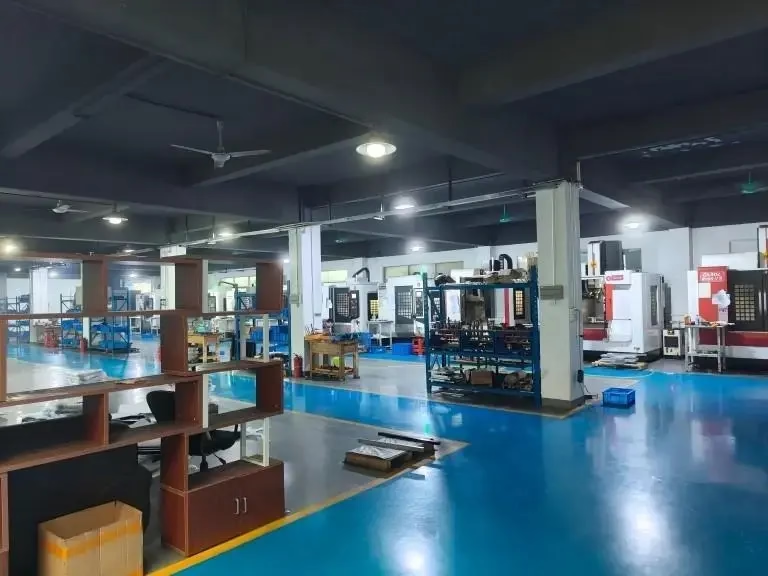
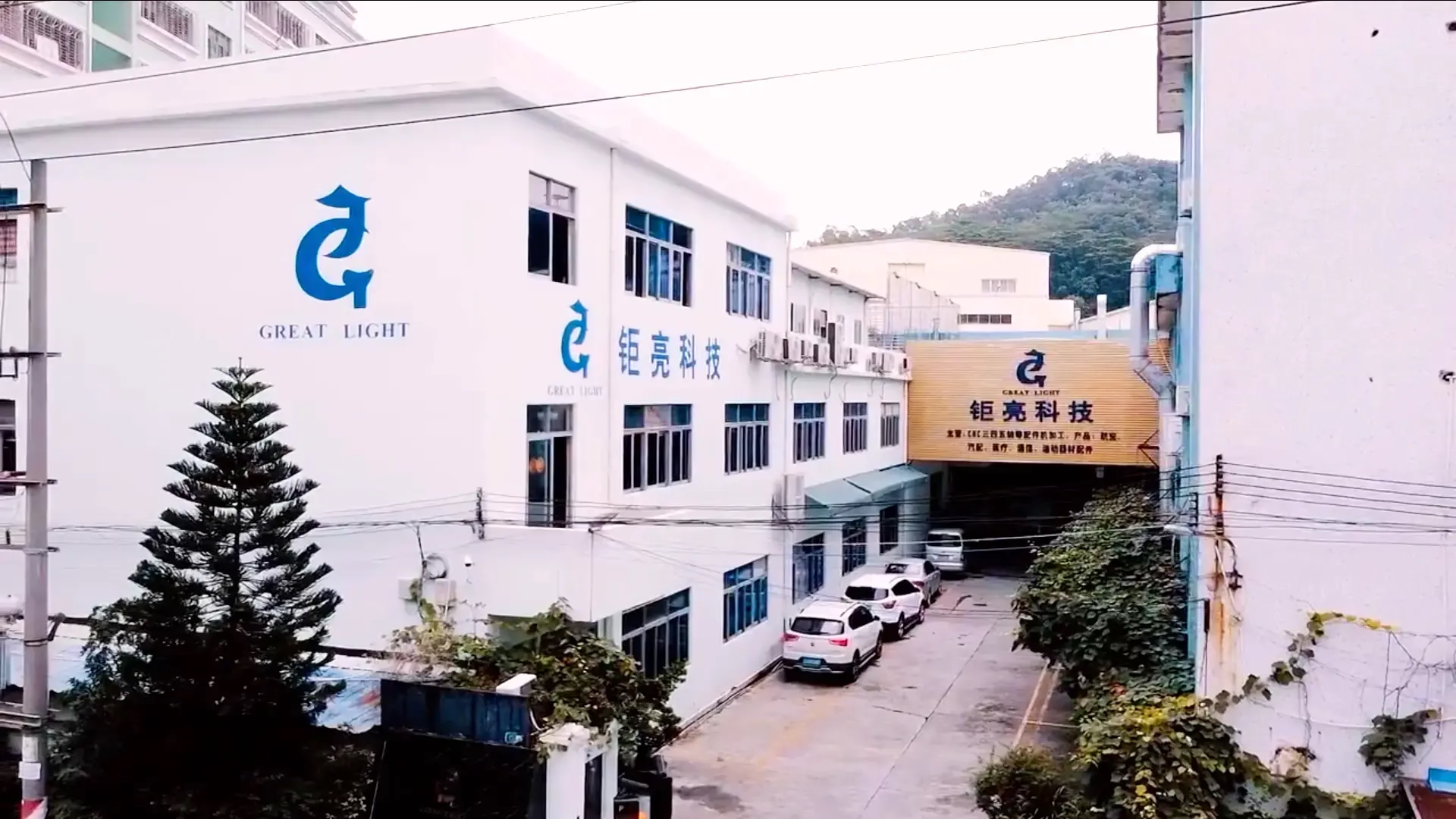
7,600 m²Manufacturing space in Dongguan
3–5 daysTypical production shipping window
Where zinc programs go wrong

Four problems we see on outsourced zinc castings

Most of these show up at the assembly line, not at the die caster.

01

Cast features that still need machining

The tool was quoted as net shape, but the gate area and parting line leave 0.3 mm of stock. That means a second setup, a second supplier, and a stack-up you did not plan for. Every extra op adds a fixture, a lead time, and a place for the tolerance to drift.
02

Hardness or creep claims that do not hold

A datasheet says 120 HB, then the first lot comes back soft because the alloy was diluted with remelt. Thin walls sag under load. If the grade is not verified at the melt, the part fails in the field, not in the lab.

03

Porosity that only shows up after plating

Gas trapped during fill opens up when the part hits the plating tank. You get pits, blisters, and a rejection pile. The cause is usually gate placement and shot profile, not the coating line.

04

Two vendors, one tolerance chain

One shop casts, another machines, and nobody owns the final dimension. Blame travels faster than the parts. When the drilled hole misses the cast boss, both suppliers can prove they were in spec.

One supplier, cast to finished

How we run a zinc casting program

Casting, machining, finishing, and inspection under one roof in Dongguan.

greatlight-cnc-machining-center-11
Casting

Net shape starts with the gate, not the drawing

Zinc is the most fluid of the die casting alloys, so it fills thin sections that aluminum cannot. We hold walls down to about 0.5 mm on small housings and brackets. That fluidity is what makes net shape possible, but only if the gate and overflow are placed for the actual part geometry. We review fill simulation before the tool is cut.

Zinc pours at roughly 400 °C, against about 600 °C for aluminum. The lower temperature is easier on the tool. Die life on a zinc tool typically runs several times longer than the same tool in aluminum, which changes how you amortize the tool over the program.

  • 1
    Wall thicknessDown to about 0.5 mm on small parts, thicker where stiffness matters.
  • 2
    As-cast toleranceSet per feature; critical bores are left with stock for machining.
  • 3
    Tool lifeLower melt temperature means slower die wear than aluminum.
greatlight-cnc-machining-center-12
Machining

The finishing cuts happen on our own CNCs

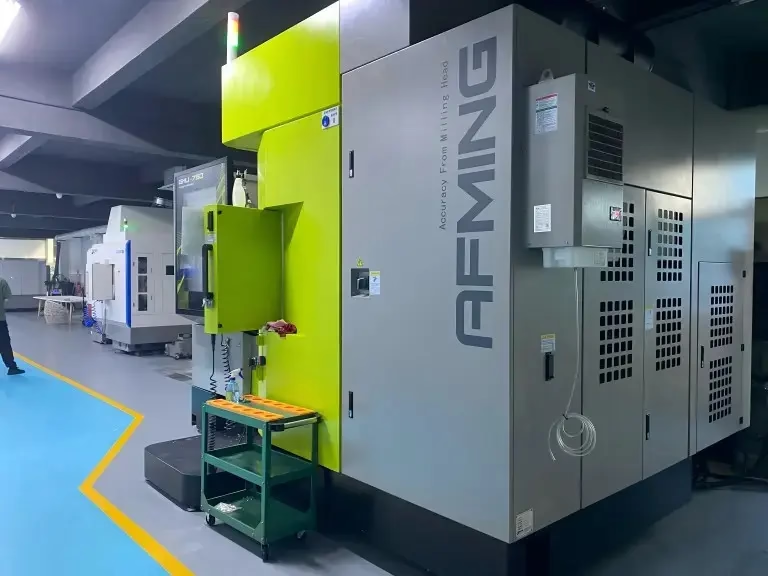
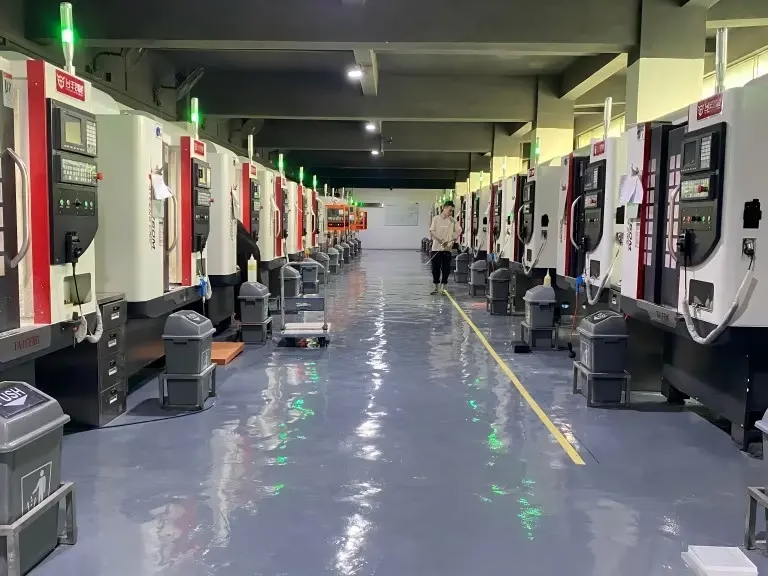
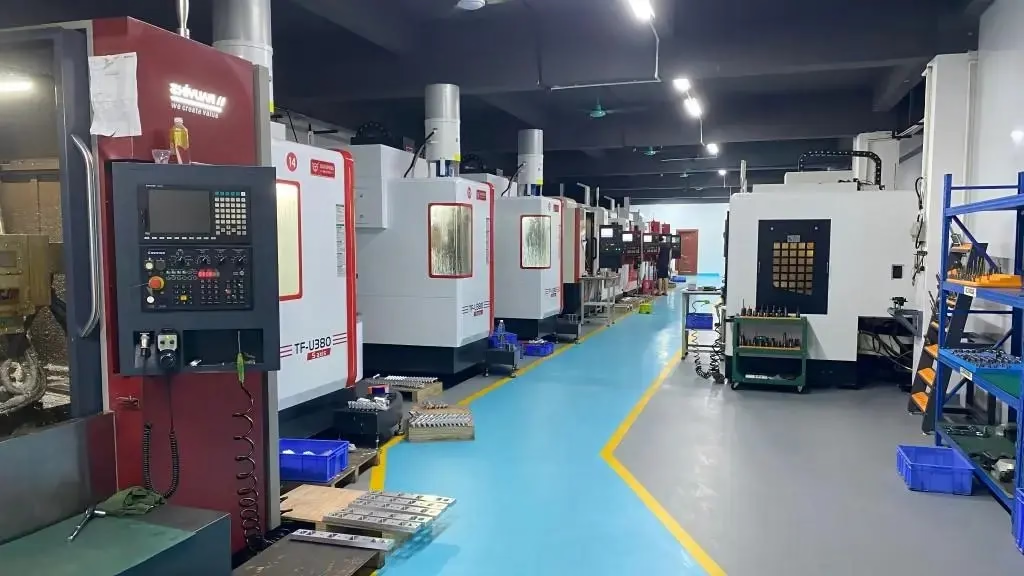
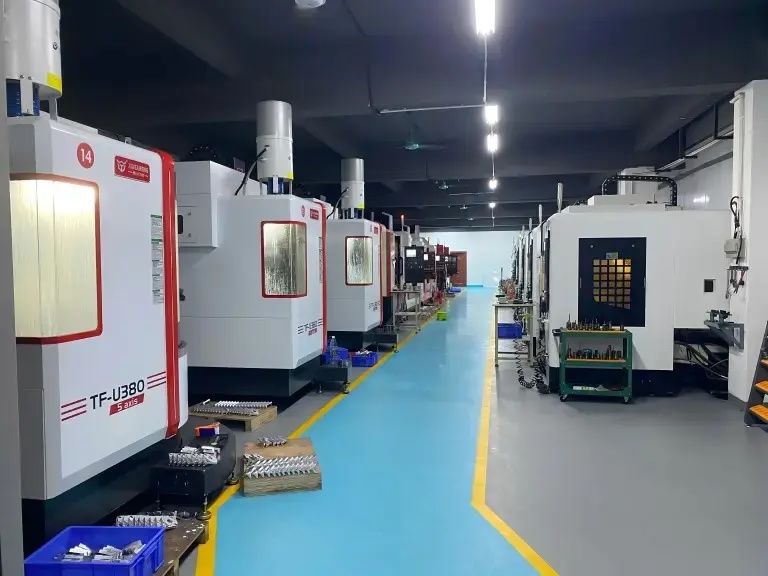
Castings arrive at the machine with stock on the faces that matter: bearing bores, sealing faces, threaded bosses, and dowel holes. We cut those on 3-axis, 4-axis, and mill-turn centers, with 16 simultaneous 5-axis machines for parts that need one setup across five faces. Critical dimensions hold ±0.005 mm.

Because the casting and the machining are in the same building, the datum is not a negotiation. If the cast boss moves, we adjust the fixture the same day instead of shipping a deviation report across an ocean.

  • 1
    One datumCast and machined features share the same reference.
  • 2
    In-process checksFirst article plus monitoring through the run.
  • 3
    FinishesRa 0.8–1.6 μm on sealing faces, finer on request.
Alloy selection

Zamak 3 vs Zamak 5 for your part

Both cast well. The choice usually comes down to strength versus ductility and plating.

PropertyZamak 3Zamak 5
Typical marketNorth AmericaEurope
Tensile strengthAbout 41,000 psiAbove 47,000 psi
DuctilityHigher, better for bendingLower, stiffer
HardnessAbout 82 HBSlightly higher
PlatingGoodGood, common in EU goods
Best forHousings, brackets, coversLoad-bearing fittings, connectors
What we do

Services that support a zinc casting build

Pick the steps you need; we handle the interfaces between them.

01

Metal Die Casting

Zinc and aluminum die casting, from tool review through first article. We build the tool around the machining stock, not the other way around.

02

5 Axis CNC Machining

16 simultaneous 5-axis centers for complex castings that need five faces cut in one setup. Holds ±0.005 mm on critical features.

03

CNC Milling & Turning

3-axis, 4-axis, and mill-turn capacity for bores, threads, and faces on cast parts. Good fit for medium and high volume runs.

04

Rapid Prototyping

Machined or printed prototypes before you commit to a tool. Use them to check fit and assembly, not just shape.

05

Part Surface Finishing

Anodizing, plating, powder coating, black oxide, blasting, and laser marking. Zinc takes most coatings well, which widens your options.

06

Sheet Metal Fabrication

For the brackets and covers that bolt to the casting. Buying both from one supplier keeps the hole pattern aligned.

Program scope

What a zinc casting order can include

Scope is set on the quote. Nothing below is assumed.

ItemRangeNotes
Order quantity1 prototype to 10,000+No minimum order quantity
Casting processZinc die castingZamak 3 or Zamak 5
Machining stockSet per featureLeft on critical faces only
Tolerance±0.005 mmOn machined features
FinishRa 0.8–1.6 μmAs-machined or finer on request
Inspection100% before shipmentMaterial, in-process, final
First articleIncluded on requestReport with the first parts
Leading timeQuote in 12 hoursProduction start in 24 hours
Why GreatLight

Six reasons engineers send us zinc work

Numbers first. The rest is process.

±0.005 mm

Machined tolerance

Held on bores, faces, and dowel holes after casting. The cast tolerances are wider by design.

0.5 mm

Minimum wall

Zinc fills thin sections that aluminum struggles with. Good for small housings and light covers.

12 hr

Quote turnaround

Quotation and a free DFM review within 12 hours of receiving your files.

24 hr

Production start

Once the tool and the first article are approved, we can start cutting within a day.

127

CNC machines

Across three wholly-owned plants, including 16 simultaneous 5-axis centers.

99.99%

Qualification rate

Every part inspected before shipment, with reports on request.

ISO 9001:2015Quality management
IATF 16949:2016Automotive quality
ISO 13485:2016Medical devices
ISO 27001:2022Information security
Where zinc castings go

Part families and what the application demands

Experience the GreatLight Advantage in Auto Parts Processing!

Automotive housings

Sensor bodies and actuator housings that need flat sealing faces and tight bore alignment.

  • ±0.005 mm
  • Ra 0.8–1.6 μm
  • IATF 16949
greatlight-cnc-machining-center-13

Electrical enclosures

Boxes and covers with thin walls, cast-in bosses, and a finish that takes powder coat.

  • 0.5 mm walls
  • 100% inspected
  • Powder coat
greatlight-cnc-machining-center-16-1

Valve and actuator bodies

Pressure-tight castings where porosity is a leak path. Gating and shot profile reviewed first.

  • Porosity control
  • Machined seats
  • Leak test on request
3 Axis CNC Machining Services

Connectors and flanges

Small, high-volume parts that ship as net shape with only the mating face cut.

  • Zamak 3 / 5
  • Net shape
  • From 1 to 10,000+
FAQs

Questions we get before a zinc casting order

Should I choose Zamak 3 or Zamak 5?

Zamak 3 is the usual choice for North American parts. It is more ductile, so it bends instead of cracking, and it plates well. Housings, brackets, and covers are typical.

Zamak 5 trades some ductility for strength and hardness. European customers often specify it for load-bearing fittings and connectors. If your part sees repeated load or needs higher surface hardness, start with Zamak 5 and check the plating spec.

Can zinc castings really be used without machining?

For non-critical features, yes. Zinc fills thin sections well, so cast holes, ribs, and lettering come out clean. Net shape production is realistic when the tolerances are loose enough to be held by the tool.

Anything that seals, rotates, or locates another part should still be machined. A bearing bore or a sealing face needs a cut surface, not a cast skin. We typically leave stock on those features and cut them on our own CNCs.

How does zinc compare with aluminum on tool life?

Zinc pours at roughly 400 °C versus about 600 °C for aluminum. The lower thermal load slows die wear, so a zinc tool normally lasts several times longer.

That changes the economics on mid-volume programs. You amortize the tool over more parts, and you spend less on tool maintenance during the run.

What finishes can you apply to zinc castings?

Anodizing, electroless nickel, zinc, silver and gold plating, powder coating, black oxide, bead blasting, tumbling, brushing, and polishing. Laser marking is available with a minimum character height of 1.5 mm.

Zinc accepts a wider range of coatings than aluminum, which is one reason it shows up in electrical and telecom hardware. Tell us the finish on the quote and we will leave the right stock and surface condition.

How do you control porosity?

We review gate and overflow placement against the part geometry before the tool is cut. Shot profile is set to keep the fill front moving and vent the last-filled areas.

If a part is pressure-tight or will be plated, say so on the RFQ. Those two cases need different process settings, and porosity that is harmless on a painted cover can reject a plated one.

What is the smallest order you accept?

There is no minimum order quantity. We run single prototypes through 10,000+ piece runs.

A prototype order is often machined rather than cast, because the tool cost does not make sense for one part. We will tell you which route is cheaper for your quantity.

How fast can you quote and ship?

Quotation and a free DFM analysis come back within 12 hours. Production can start within 24 hours of approval, and parts typically ship in 3–5 days.

Tooling for a new casting is a separate timeline and depends on the part. We will put that schedule in the quote so there is no ambiguity about when the first parts arrive.

Can you keep our drawings confidential?

Uploads are handled as confidential, and we sign an NDA on request before reviewing files. Our information security management system is certified to ISO 27001:2022.

If your program requires it, we can limit the drawing package to the features needed for the quote and keep the rest off the shop floor.

Send us a zinc casting drawing

Upload the model and we will return a quote with a DFM review within 12 hours. Cast, machined, finished, and inspected by one supplier.

12-hour quote100% inspectionNo minimum order quantityNDA on request

Trusted by engineers and manufacturers worldwide

Tesla Ford Motor Company BYD Auto Denso Magna International Boeing Airbus Medtronic KUKA FANUC